














What works for your little sister, work wife, or that guy with the great skin on the TikTok isn’t necessarily going to work for you and that’s okay! You likely have different skin types and different concerns, which means reaching for different ingredients that are going to work for you.
What Even Is A Face Serum For?
Serums are how you go from "my skin is fine" to "my skin is exactly what I want it to be." Unlike moisturisers, which primarily hydrate and support your skin barrier, serums contain concentrated ingredients that target specific concerns, such as dullness, dehydration, redness, pigmentation, or visible signs of ageing.
Choosing a serum with ingredients that match your skin's needs is often the simplest way to build a routine that works for you. But—navigating the wonderous world of serums is no easy. With so many options available, learning how to choose a face serum can be a teeny bit overwhelming. So! We’ve made a little cheat sheet to help you pick the serum that’s going to deliver the best results.
If your skin is dull or you want to treat hyperpigmentation…
You need ingredients that will: Brighten!
And in very good news, there are plenty of skincare ingredients designed to help your skin get its glow back. Top of the radiance list is, of course, vitamin C, a notorious glow-booster, with a heap of antioxidant properties, that can also help promote collagen production. Kakadu plum is another brilliant ingredient that is known for being one of the richest sources of vitamin C in the world. (Oranges just have a better PR team.)
If your skin is feeling dry, tight, or uncomfortable…
You need ingredients that will: Hydrate!
Dehydration is an enormously common skin concern. Typically popping up in the cooler months (thanks to lower humidity, harsher winds, heavier heater use, etc.), dehydration is a skin concern that can affect all skin types. (Even typically oily skins aren’t safe from the tight, uncomfortable feeling.)
If this sounds familiar, you’re going to want a whole lot of moisture and fast. Or in other words: you want to load your routine up with humectants. (Potent ingredients that draw water into the skin and lock it right in.) Reach for serums with hyaluronic acid (which can help bind water to the skin and maintain balanced hydration levels) and glycerin (which helps reduce moisture loss by holding water within the surface layers of the skin, preventing skin from drying out).
If your skin is feeling angry or irritated…
You need ingredients that will: Calm and soothe!
Whether your skin is always irritated or you’ve overdone it with a few too many chemical exfoliants, angry skin needs some serious soothers. Niacinamide is a crowd-favourite for good reason. It’s well tolerated by almost all skin types, ages and concerns. It’s also mega-soothing and calming, making it great for evening out skin tone and reducing redness. (Re: Is perfect for skin that is bitchy, breakout-y or inflamed-y.)
Vitamin E is another brilliant option for sensitive skin. It’s a protective antioxidant with serious calming properties; definitely one to reach for when your skin needs something super gentle.
If your skin is losing firmness or feeling a little more lined than usual…
You need ingredients that will: Treat the signs of ageing!
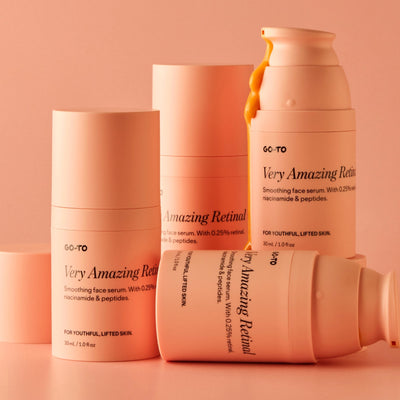
If ageing is your key area of concern, we suggest you look towards retinoids (also known as vitamin A). Widely regarded as the gold standard in managing the signs of ageing (retinoids have been shown to fade pigmentation/age spots and minimise the appearance of wrinkles), Vitamin A is a worthy addition to your routine.
In addition to retinoids, chemical exfoliants like lactic acid are also beneficial for treating fine lines as they can support in cell turnover, which will naturally slow down as we age. (Just be sure not to layer them with your retinoids; use them on alternate nights instead to avoid overwhelming your skin barrier.) As are peptides, which work to support your skin’s ability to produce collagen, targeting the signs of ageing (loss of elasticity, fine lines) and leaving the skin lovely and plump.
If your skin has changed during pregnancy or breastfeeding…
You need ingredients that will: Be as gentle as a kitten’s punch.
This may not technically qualify as a skin ‘concern’, but pregnancy and breastfeeding do come with a heap of changes in your skin that might require a different approach. It’s likely that your skin is extremely sensitive at the moment, in which case, you can stick to a similar regimen as the sensitive gang: niacinamide and vitamin E.
Hyperpigmentation (specifically melasma) is also incredibly common during pregnancy, which also makes vitamin C a magnificent option for you, as it's designed to target any dark spots and prevent future ones from popping up. (Always pair it with SPF.) (Treating dark spots is pointless if you’re not going to wear SPF.)
Look for a gentle vitamin C formula; Sodium Ascorbyl Phosphate, which is the hero vitamin C in our own (pregnancy and breastfeeding-safe) serum, Much Brighter Skin, is known for being a gentle, stable option.
Tips To Choose A Face Serum
#1 Start with your biggest skin concern
Trying to tackle everything at once can make choosing a serum feel impossible. Instead, identify the one thing you'd most like to improve and then choose a formula with ingredients that target that concern, whether that's dullness, dehydration, redness or fine lines.
#2 Know your skin type
Dry skin generally loves rich, hydrating ingredients, while oily or combination skin may prefer lightweight, fast-absorbing formulas. Skin looking a bit irritated and red? Look for gentle, well-tolerated ingredients and always patch test first.
#3 Check the ingredient list (not just your FYP)
We all know what the serum promises to do, but the ingredients tell the real story. Vitamin C brightens, hyaluronic acid hydrates, niacinamide helps calm and balance, while retinoids and peptides are excellent options for targeting the signs of ageing.
#4 Introduce one new serum at a time
As tempting as it is to try everything immediately (we get it), introducing products one at a time makes it easier to see how your skin responds and helps minimise the risk of irritation.
#5 Give it time to work
Skincare isn't an overnight success story. While hydrating serums can deliver an almost immediate glow, ingredients like vitamin C and retinoids typically need consistent use over several weeks before you'll notice their full benefits.
What Skincare Ingredients Work Well Together?
The good news is plenty of skincare ingredients play very nicely together. Pairing complementary ingredients can help you get even more from your routine without making it unnecessarily complicated.
Vitamin C and SPF
Vitamin C helps brighten the skin and provides antioxidant protection, while SPF helps shield your skin from UV damage. Together, they're a dream team for your morning routine.
Hyaluronic acid and almost everything
Think of hyaluronic acid as the friendly one in the group project. It layers beautifully with almost any ingredient and helps keep skin feeling hydrated and comfortable.
Niacinamide and vitamin C
Once upon a time, these two were thought to be incompatible! But modern formulations have well and truly put that myth to bed. Together, they can help brighten, even skin tone and support a healthy-looking complexion.
Peptides and hydrating ingredients
Peptides work brilliantly alongside hydrators like hyaluronic acid and glycerin, helping skin feel plumper, smoother and more supported.
Important! One pairing to approach a little differently? Retinoids and exfoliating acids. Rather than applying them together, it's often best to use them on alternate nights to help minimise irritation and keep your skin barrier happy.
How To Build Your Routine Around Your Serum
Choosing the right serum is only one piece of the puzzle. Now that you've learned how to choose a face serum, next is building a routine that helps your favourite ingredients do their best work! A simple routine looks like this:
-
Cleanser to remove makeup, sunscreen and the day's grime.
-
Serum to target your biggest skin concern with concentrated active ingredients.
-
Moisturiser to lock in hydration and support your skin barrier.
-
SPF (morning only) to help protect your skin from UV damage and preserve the results of your routine.
You don't need a shelf overflowing with top-tier products to see great results. A handful of well-chosen essentials, used consistently, will often do far more than an overflowing bathroom cabinet ever could.
Signs It's Time To Change Your Serum
Your favourite serum doesn't necessarily have to be your forever serum. As your skin changes, your routine can too. It might be time to switch things up if:
-
Your skin concerns have changed. Maybe you've tackled dehydration and now you'd like to focus on pigmentation or fine lines.
-
The seasons have changed. Cooler weather can call for extra hydration, while warmer months may suit lighter textures.
-
You're pregnant or breastfeeding. Some ingredients may no longer be suitable, so it's worth reviewing your routine with your healthcare provider.
-
Your skin has become more sensitive. If your skin is feeling reactive, simplifying your routine and choosing gentler ingredients can help.
-
You've achieved your original goal. Once you've addressed one concern, you can choose a serum that supports your skin's next chapter.
The most important thing? Listen to your skin. It tends to be pretty good at telling you what it needs. As always, patch test first, and check in with your doctor, dermatologist, or trusted skin specialist for individual guidance.
Still Not Sure How To Choose A Face Serum That’s Right For You?
If choosing a face serum still feels a little overwhelming, our Go-To team's got you! Take our Routine Quiz to receive personalised product recommendations based on your skin type, concerns, and goals.
You can also browse our FAQs for answers to common skincare questions, ingredient advice and routine tips before building your perfect lineup.

Comments