











Beyond some frustrating bouts of dandruff or product build up, the world of scalps tends to be palmed off as the least interesting part of your hair. Until now.
In recent years, our obsession with scalp care has zipped to the top of beauty trends, earning its place as the essential step in healthy hair.
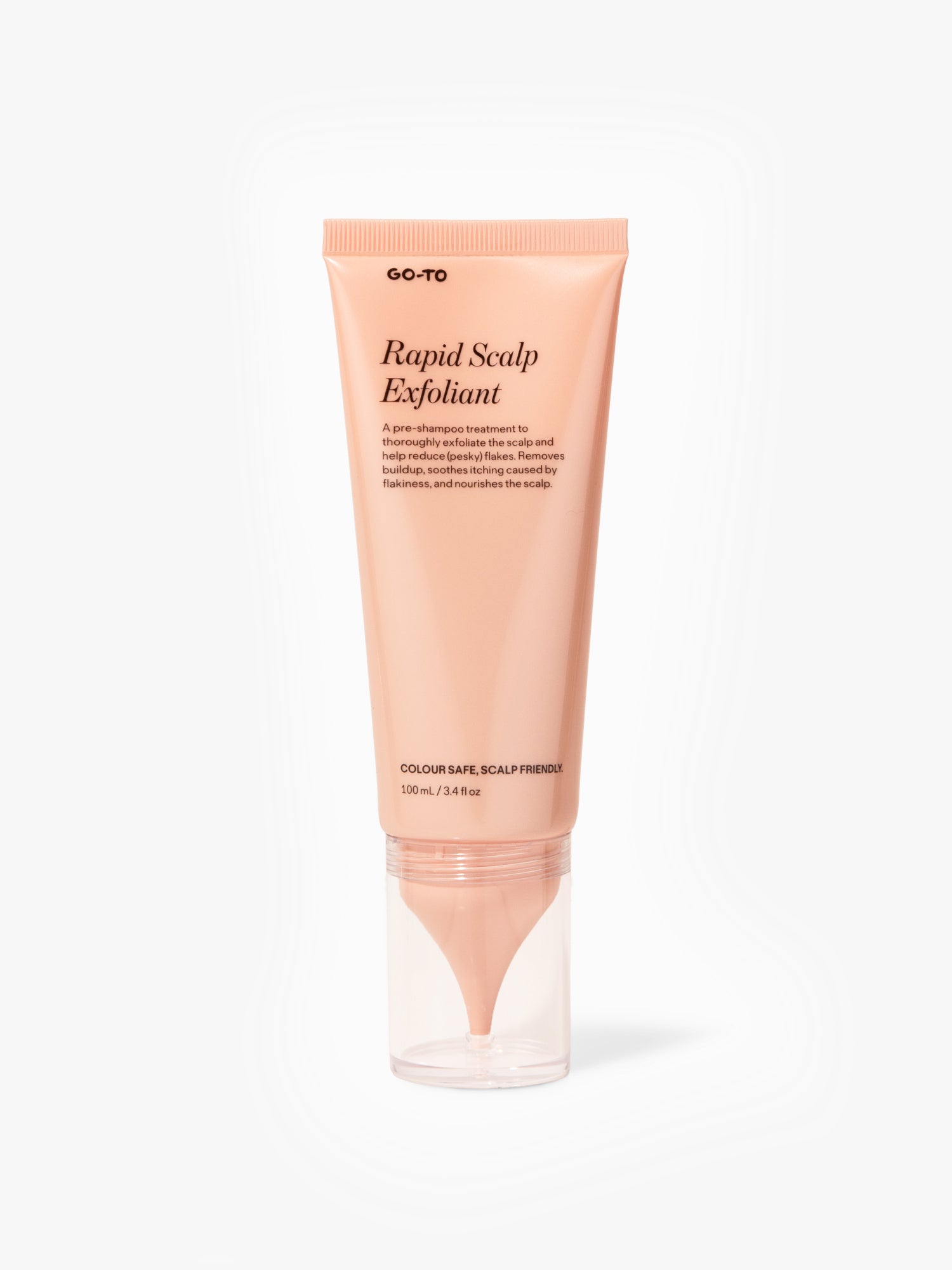
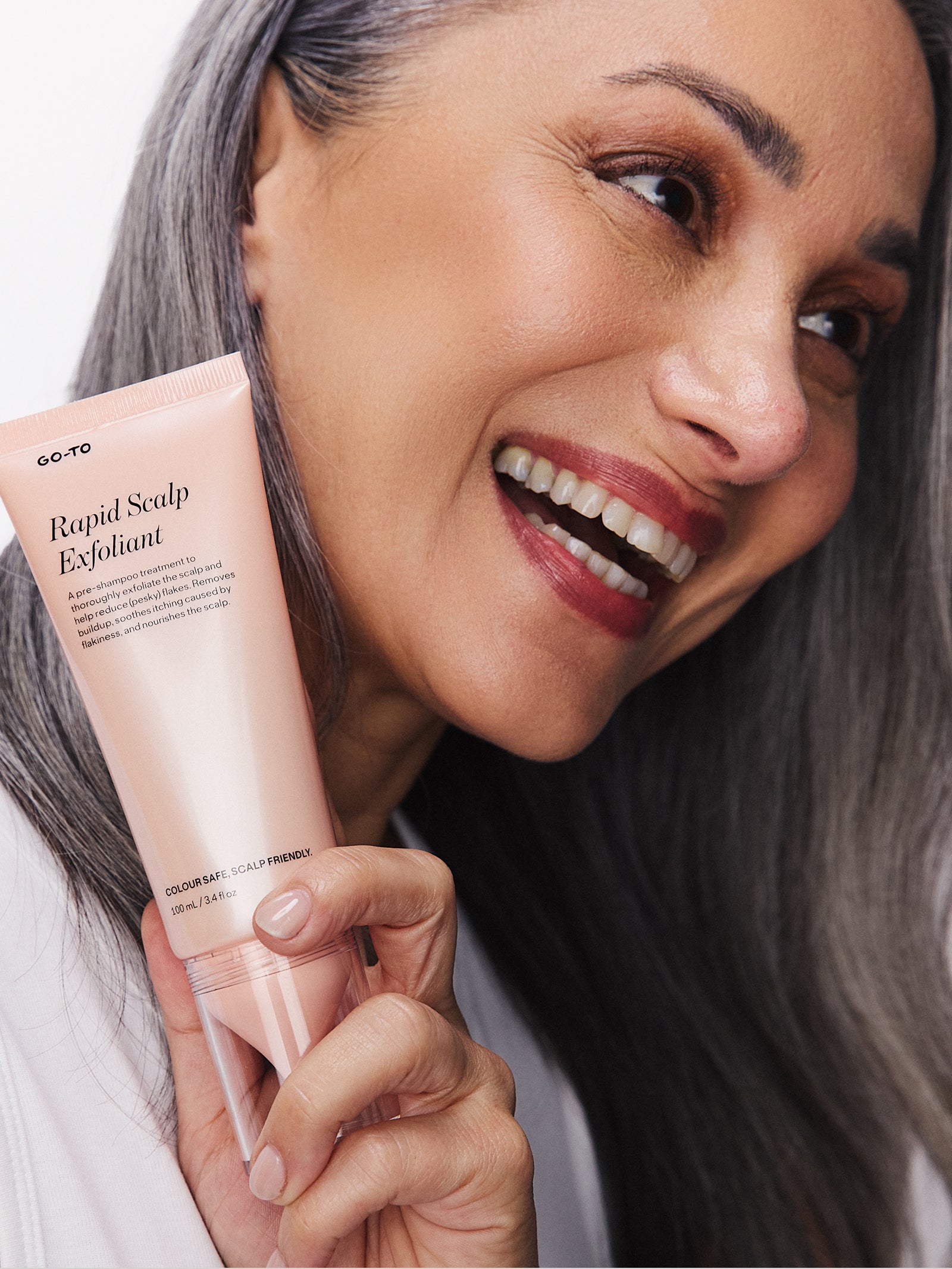
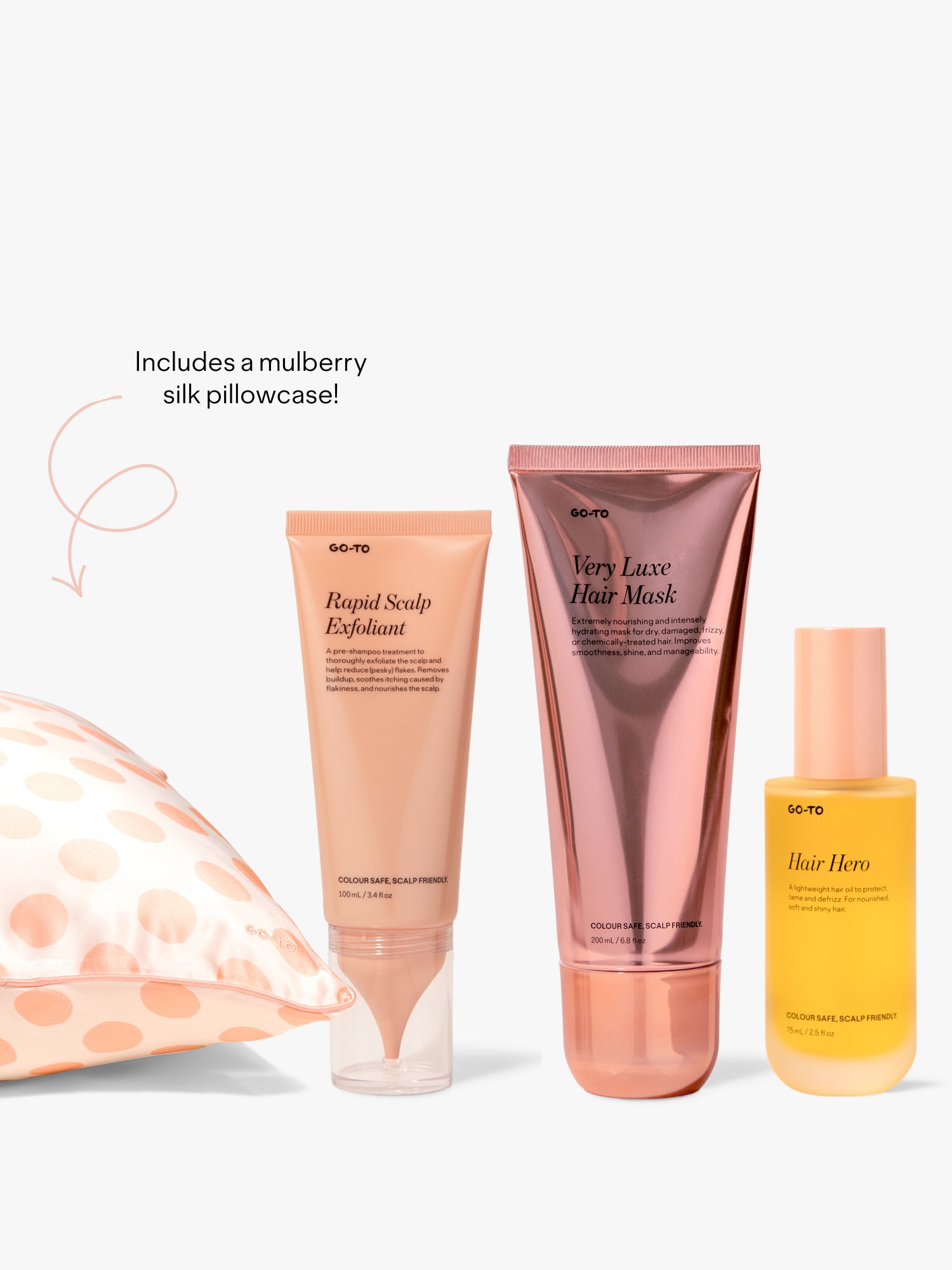
Which is precisely why we made Rapid Scalp Exfoliant: A five-minute pre-wash treatment powered by AHAs and BHAs to clear away dead skin cells and product build-up while helping soothe and balance oily scalps.




To dig into exactly why scalp care matters, we got in touch with Katherine Mafi from The Scalp Spa. Led by a team of dermal therapists and cosmetic experts, they’ve seen first hand the power of caring for your scalp. Here’s what she had to say:
Most of us have never given much thought to our scalp, what exactly does the scalp do, and why is it so important?
“The scalp is an extension of our skin and protects our body just like our skin. The scalp has a much higher concentration of hair follicles, oil grands, and blood vessels that work together to protect the head.
The scalp is overlooked because we do not see it in the mirror like we see our faces daily. We only start to pay more attention to our scalp once we see problems like dandruff or oiliness.”
Does scalp health contribute to your hair health?
“Yes, yes and yes! Healthy hair starts with a healthy scalp. If our scalp microbiome is out of balance, we'll experience changes in our hair such as dryness, brittleness, weak hair or excessive oil. Stress can cause major changes in our scalp and lead to inflammation that can cause excessive itching and even hair loss. Stress also causes premature grey hairs!”
What does a healthy scalp actually look like?
“A healthy scalp can look different for [different people]. Much like our skin, a fairer skin toned person will normally have a pink scalp, a darker skin toned person won't see much redness normally, unless they have inflammation in the scalp. A healthy scalp usually has balanced oil and mild buildup that accumulates over 2–3 days. Anything more or less than this can mean you're experiencing either dryness, excessive oily, excessive build up or dandruff.”
Does the scalp function like the skin on your face?
“Yes, in many ways however we have significantly more terminal hairs on our scalp and more sebaceous glands so the needs are a little different.”
What causes an itchy, dry, or flaky scalp?
“Causes can be stress related, related to environmental conditions (water, hot and cold weather, chlorine) or the products we use that aren't compatible with the microbiome on our scalp.”
Why do some scalps get so oily so fast?
“Some people will have more sebaceous glands on their scalp, particularly if they have more hair follicles too. Like the skin on our face, the activity of these sebaceous glands determines how oily the scalp will be.”
Plus: “We may be using the wrong products such as a hydrating shampoo when we should be using a clarifying shampoo to help reduce oil production.”
What's the difference between dandruff and a dry scalp?
“Dandruff has excessive flaking caused by fungal conditions and can be dry or oily. Dry scalps are usually free of oil but have excess dry flaking caused by the lack of hydration on the scalp.”
What's the one thing everyone should do to maintain a healthy scalp?
“Exfoliate!! And use professional hair care instead of random items from the shelf.”
Is scalp exfoliation necessary?
“Scalp exfoliation is super necessary. Just like our skin needs assistance with proliferation (exfoliation), our scalps do too. This creates a clean slate and reduces build up of products and oil.”
What ingredients should people look for (or avoid) when choosing scalp and hair care products?
“When choosing scalp and haircare products, it's worth looking for ingredients that support the scalp rather than just coat the hair. Botanical extracts, peptides, niacinamide, panthenol and gentle exfoliating ingredients such as salicylic acid can help maintain a balanced, healthy scalp, while harsh sulphates and drying alcohols may contribute to dryness or sensitivity in some people. “
Can over-washing or under-washing your hair harm your scalp?
“Over-washing can cause irritation whereas under-washing can lead to fungal problems. They can appear as a rash or even an abundance of dryness in a particular area. Most of the time, it occurs when people do not fully dry their scalps and leave moisture in their scalps, particularly before bed. It's so important to fully dry your hair to avoid a reaction from your scalp.”
Comments