











Many relics from my teen years have found their way back into my day-to-day as an adult: CDs, shiny lip gloss, blogging, and platform flip-flops. I’ll even sport a pair of low-rise bootcut jeans if the mood strikes.
But an unwelcome throwback that’s reentered my life in the last few years? Acne.
Living a Teenage Dream Nightmare
Like most young people, puberty brought forth a host of blessings like period cramps, oily hair, and an irrational rage towards my mother (sorry mum). For me, the cherry on top of this awkward phase was acne—the type that would make me skip school on photo day and avoid mirrors like the plague.
According to the Royal Australian College of General Practitioners (RACGP), more than 90% of Australian adolescents aged 16–18 years will experience acne to some extent. However, when you’re in the angsty malaise of self-consciousness, you feel like you’re the only one.
I tried what felt like every treatment under the sun. Over-the-counter cleansers led to topical prescription creams, then oral antibiotics. I went on birth control, cut down on sugar, and stopped consuming dairy. I even begged my mum to buy me a particularly brutal face wash spruiked by Justin Bieber and Katy Perry on daytime infomercials—but was left only with a stinging face and bleached bed sheets.
The last resort was isotretinoin, a powerful retinoid drug generally known in Australia by the brand name Roaccutane. The medication works by shrinking oil glands and reducing sebum production. It kills bacteria, reduces inflammation, and stops pores from clogging by accelerating skin cell turnover. Arguably its most alluring quality is that it often keeps acne at bay for months, years, and for some lucky people—forever.
I was given the all-important spiel by the dermatologist: No alcohol, no waxing, no exfoliation, no sun exposure, and always use contraception. The other warning, which they stressed as particularly important, was around my mental health. Some physicians report that patients experience mood swings, irritability, anxiety, and sometimes more serious mental health conditions. In other words, Roaccutane is serious business, and not to be taken lightly.
To a sensitive, insecure teenage girl, it was a difficult decision: Continue to be distressed by how my skin looked, or take this potent medication and risk experiencing more emotional instability. I opted for the latter, and two things happened—I got sad (like, really sad), and my acne completely cleared.
The Good-Skin Decade
By the time I was in my 20s, acne felt like a nasty ex. I didn’t like talking about it, photos from that period were deleted, and I would tell whoever would listen that I was totally over it.
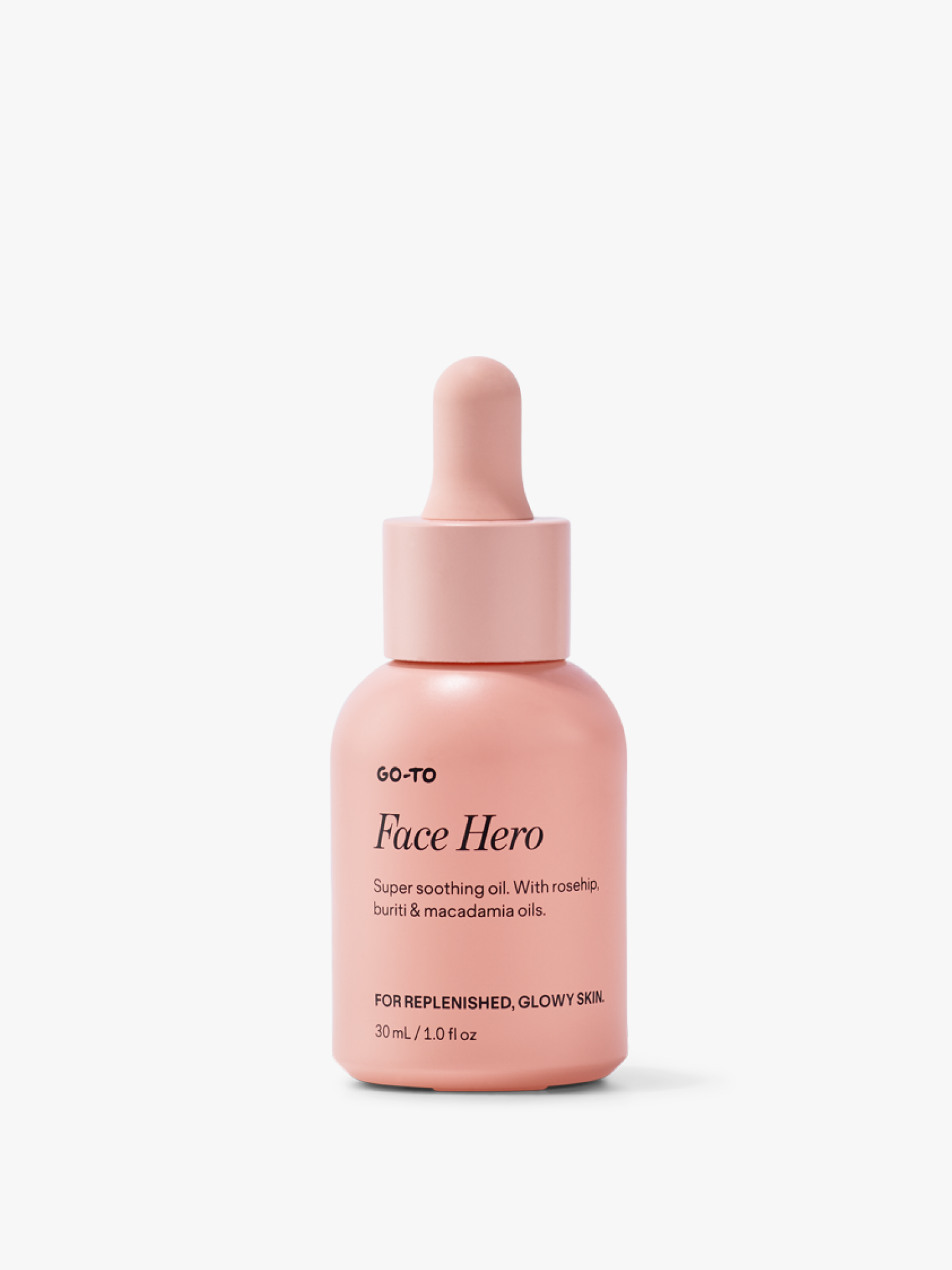
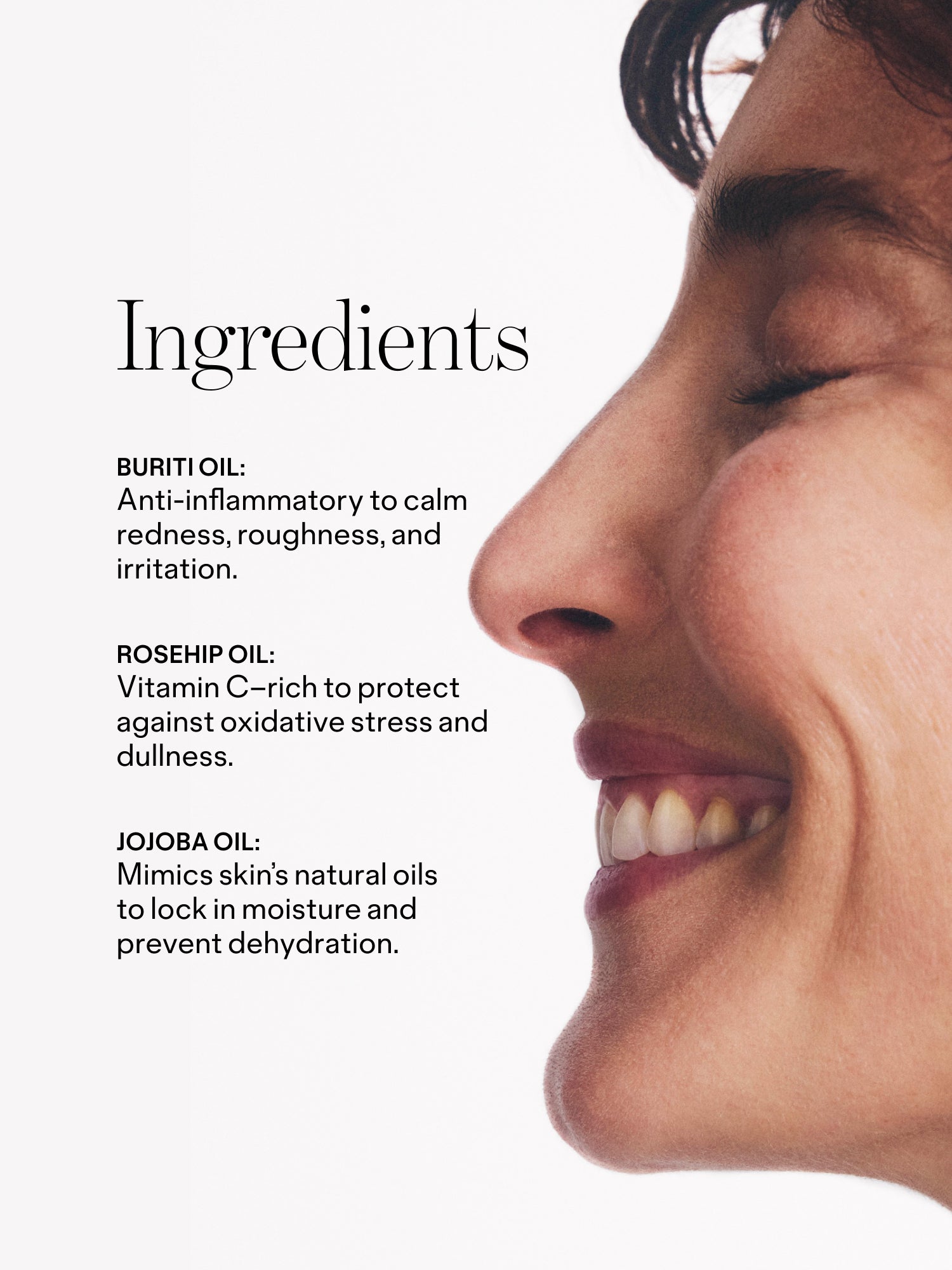
During this time, it was all about prevention and maintenance. Products that hydrated and brightened took centre-stage. Face Hero was, well, my hero, while Roaccutane no-gos like vitamin C, exfoliators with active ingredients, and retinal serums were all back in the glow rotation (glowtation?).
Calvin Harris was playing on the radio, nobody was talking about Dubai chocolate, and my skin was as bright as the future felt. It was a simpler time.
But just like that toxic ex, it wasn’t really over.
Guess Who’s Back?
Almost like clockwork, I turned 30 and my skin regressed into its former spot-speckled state. As is the case with most adult acne, rather than pimples appearing across my T-zone, they spread over my lower face. My jaw, chin, and cheeks were now the not-so-hot spot.
This time, I tried some updated methods for managing acne. Extractions, chemical peels, and light therapy all made a difference, but I’d been here before, and I knew what I needed to do.
It was time for round two.
The Rules of Roaccutane
Sun = Blocked
I’ll start with the most important piece of advice, and I cannot stress this enough—stay out of the sun. Roaccutane breaks down the skin's protective barrier, making it fragile and sun-sensitive. Apply a mineral SPF every day and reapply every hour. But even more vital than this, cover up. I’ll generally avoid walking outside during peak UV times (between 10am and 2pm), but if I have to, I’ll make sure my shoulders are covered. Linen button-up shirts and wide-brimmed hats have become my staple look. There’s nothing more chic than being sun safe.
Lip Service
Keep your lips hydrated, constantly. Always have lip oil handy as well as a petrolatum-based balm (like Vaseline) to layer on top and completely seal in the moisture.
When the cracks on the sides of your mouth (IYKYK) get unbearable, and no amount of lip balm will do the trick, they’re likely inflamed or infected. You can treat this with an over-the-counter hydrocortisone cream (like Hydrozole). This is strictly an external cream, so apply it safely on the outside of your lips, and don’t allow it to seep into your mouth. As always, ask a medical professional first.
The To-Do List
If you get any eczema or rashes, tell your GP right away and they’ll be able to prescribe you a treatment. I experience itchy flare-ups on the backs of my hands and the crooks of my elbows. Eleuphrat ointment works for me, so it’s worth asking your doctor about it.
You might experience severe dryness in your nose, and even nosebleeds. A Q-tip smeared with Vaseline will help, but you can also buy nasal sprays from the pharmacist with ingredients like sesame seed oil and Vitamin E that will soothe the sting.
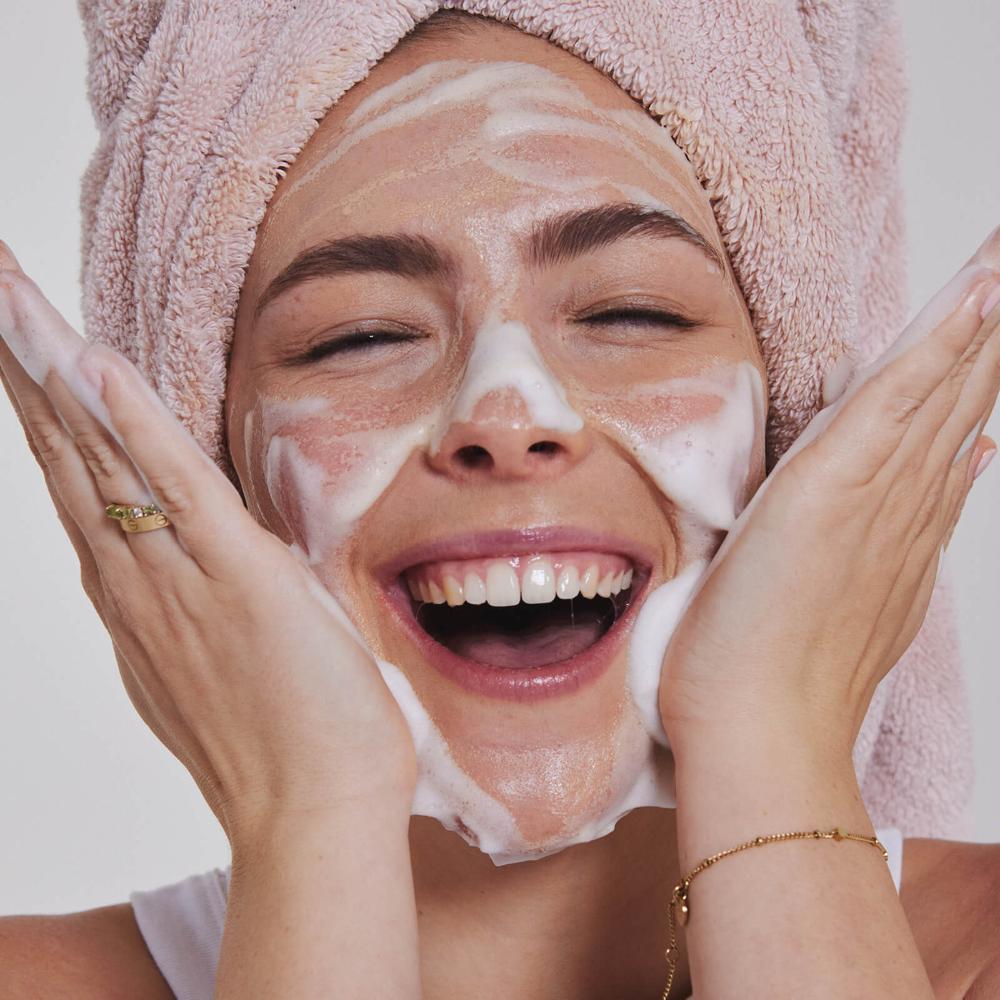
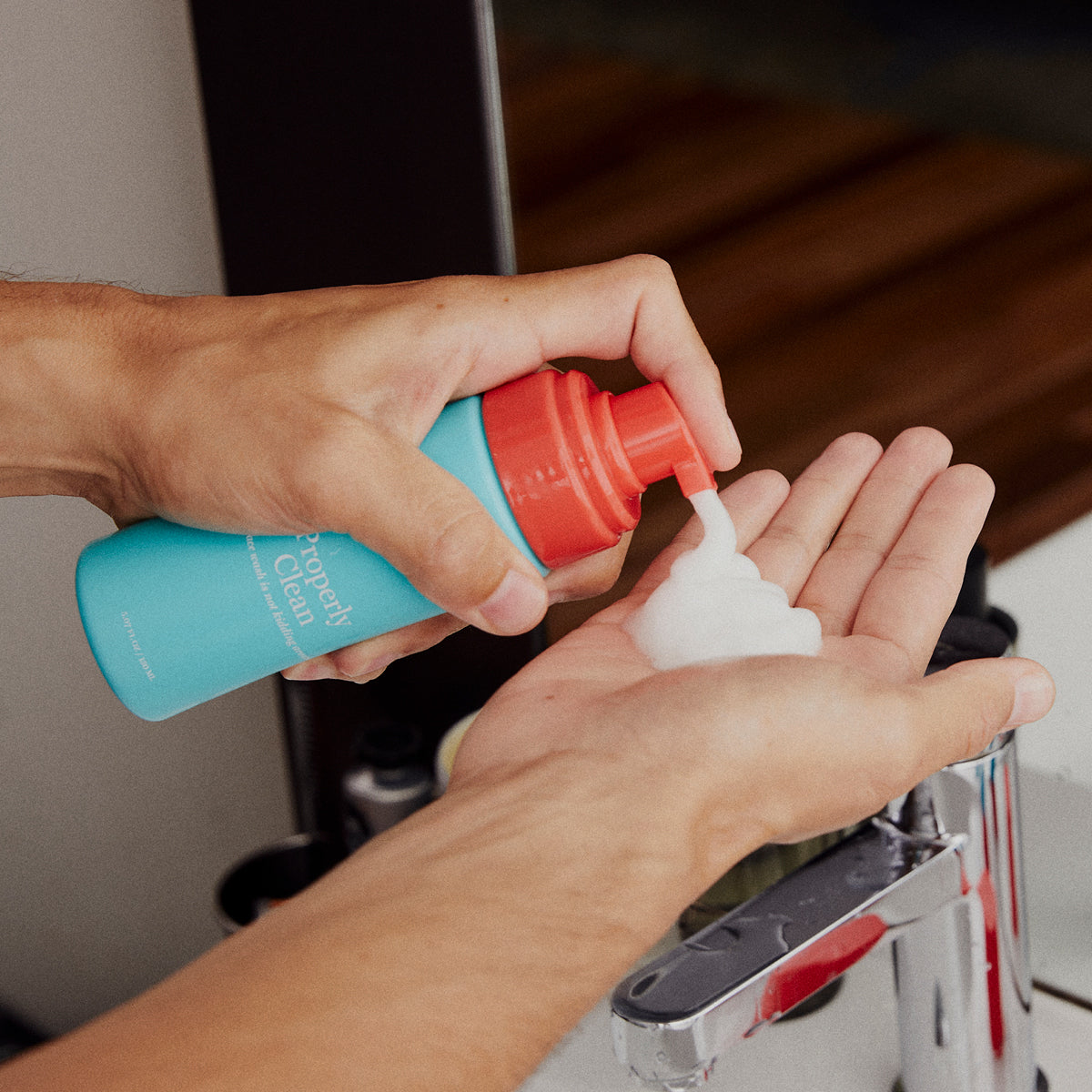
Use a gentle cleanser with no active ingredients. If in doubt, bring the cleanser to your GP or dermatologist, or show them the ingredients online so they can let you know whether it’s appropriate to use while you’re on Roaccutane.
Roaccutane is better absorbed with fat, so take your capsule with something rich, whether that’s a creamy meal, bowl of yoghurt, or glass of milk. If you’re vegan, taking it alongside avocado or nut butter is a great option.
The No-Go Zone
The medispa will have to wait. Avoid all professional treatments—microneedling, dermaplaning, microdermabrasion, peels, waxing (face and body), threading, sugaring, active treatments, and injectables.
Avoid wearing too much makeup that might clog your pores, especially heavy foundations. It’s tempting to slather concealer over every spot each day (trust me, I know), but try as hard as possible to save this for special occasions only, and instead opt for a tinted SPF if you want a bit of coverage.
Most of the cleansers, moisturisers, and face oils that are usually super effective for acne-prone skin when you’re not on Roaccutane will likely be unsuitable while you’re on it. It’s always best to double-check with a professional.
***
I’m happy to report that six months into my course of Roaccutane, my skin is largely clear again, and I’ll be finishing treatment in another two months. After that, the scar-healing begins.
This piece is based on personal experience and is not medical advice. Always speak to your GP or dermatologist before starting isotretinoin or making changes to your skincare routine while on medication. If you have any concerns about your mental health while on isotretinoin, help is available. Call Lifeline on 13 11 14 and in an emergency, call 000.
Comments