







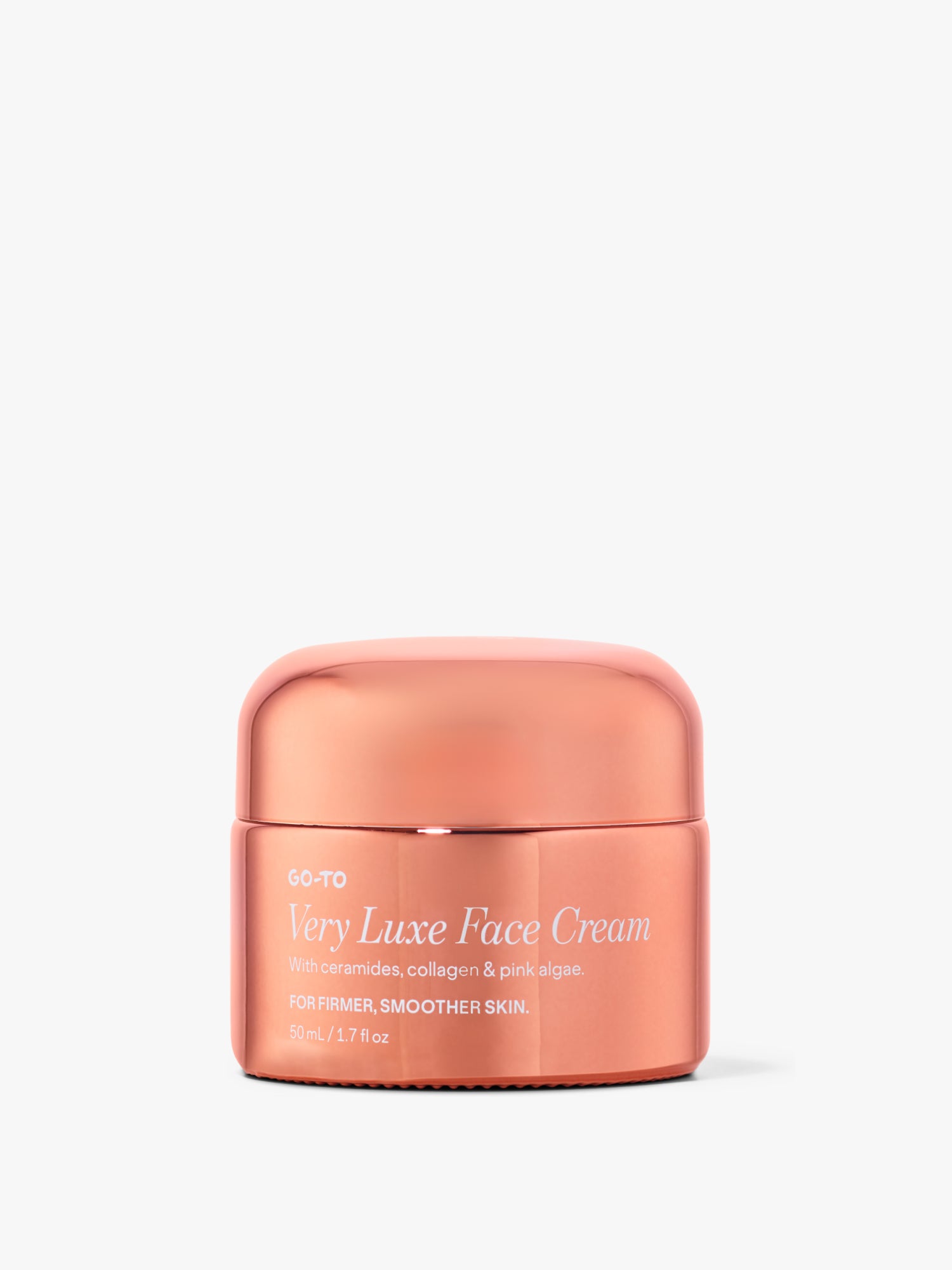






Are you an early bird—a Pilates-before-7am type? Or a night owl—still brimming with energy when the rest of the world is snoring?
Whether you’re up before sunrise or burning the midnight oil, your body is uniquely wired with an internal clock: Your circadian rhythm. And your skin, like the rest of your body, runs on this schedule.
What Is A Circadian Rhythm Exactly?
Let’s get nerdy for a second.
Your circadian rhythm is essentially your body’s built-in 24-hour clock, controlling when you feel alert or sleepy. It doesn't just govern sleep, though; it influences everything from hormone release (like cortisol and melatonin), body temperature, metabolism, immune activity, and very importantly: How your skin repairs and protects itself.
Our differences in circadian rhythms actually have evolutionary benefits. For most of human history, staggered sleep patterns meant someone was usually awake to keep watch for predators or danger. So, all you not-so-morning people out there, the next time you sleep through your alarm, remember: a few millennia ago, you would have been the one on night shift keeping everyone safe. Heroic, honestly.








How Does It Affect Our Skin?
You might already be across method-driven routines like skin cycling, which carefully alternates products night-by-night. Circadian-synching, however, is all about harnessing the existing patterns and fluctuations of the skin.
Dr. Amy Chahal, a Sydney-based dermatologist, clinician, and Medical Director of The Centre for Medical Aesthetics, describes the inner workings of our skin’s 24-hour cycle: “Skin does follow circadian rhythms at the cellular level, and the changes are measurable,” she says. “During the day, the skin prioritises barrier defence: antimicrobial peptide production is higher, sebum secretion tends to peak in the early afternoon, and the stratum corneum (the outermost layer of skin) is slightly more resistant to transepidermal water loss (TEWL).”
Basically, your skin acts like a shield—producing more oil, boosting antimicrobial defences, and tightening its outer layer to reduce water loss.
At night, Dr. Chahal notes, “The balance shifts toward repair and regeneration. Cell proliferation rates peak in the late evening and early night hours. DNA repair activity increases. Blood flow to the skin rises, which also means greater permeability. Skin temperature is slightly elevated at night, and TEWL actually increases after midnight, which is part of why skin can feel drier in the morning.” This also means your skin can be more prone to inflammation at certain times, helping explain why conditions like eczema and psoriasis often flare at particular times of day.
What Are The Signs Of Circadian Disruption On The Skin?
Circadian disruption isn’t caused by forgetting your SPF (but please, don’t), or missing your nighttime serum. Rather, it’s all about sleep quality. According to Dr. Chahal, circadian misalignment tends to show up as impaired barrier function, dullness, under-eye circles and puffiness, and slower wound healing.
“Chronic sleep deprivation is associated with higher cortisol, which promotes collagen degradation and can worsen inflammatory skin conditions,” she explains. People with disrupted sleep schedules like night shift workers and frequent travellers with chronic jet lag often experience skin sensitivity, breakouts, and accelerated signs of ageing. “The strongest clinical signal is simply that poor sleep quality correlates with worse skin barrier recovery and more visible ageing over time,” says Dr. Chahal.
This is where working with your chronotype comes in. Find a wind-down routine that works for you, even if your bedtime is dictated by work, kids, or a brain that refuses to power down on command. This might look like consistent pre-bed rituals, managing light exposure, and timing caffeine and meals to support better sleep quality.
Should I Sync My Skincare With My Circadian Rhythm?
Dr. Chahal describes the framing of our skin’s “repair mode” at night as “a simplification, but not a bad one.” At night, your skin genuinely shifts into a renewal phase. “DNA repair enzyme activity is higher, cell division accelerates, and growth hormone release during sleep supports tissue repair,” she continues.
It’s not that products applied at night are fundamentally absorbed or work differently just because of when they’re applied. Instead, Dr. Chahal points out, “Nighttime application avoids UV exposure (relevant for retinoids and certain acids), coincides with higher skin permeability, and aligns with the period when the skin is already investing in repair processes,” adding, “The benefit is partly biological and partly practical.”
Take retinoids, for example. They’re photolabile, meaning they can break down or lose effectiveness in sunlight. Dr. Chahal says, “Certain exfoliating acids (AHAs in particular) also increase UV sensitivity, making evening application more prudent.”
For some products, timing is actually less critical than people assume. Vitamin C is often marketed as a ‘morning antioxidant.’ “There is logic to using it before UV exposure for photoprotective synergy with sunscreen,” explains Dr. Chahal, “But it also works as an antioxidant and collagen-synthesis supporter regardless of when it is applied.” Hyaluronic acid, ceramides, and niacinamide don’t have meaningful time-dependent efficacy, and as Dr. Chahal suggests, for most skincare products, “Consistent use matters far more than precise timing.”
What Does This Mean For Different Skin Concerns?
Dr. Chahal confirms that there are some distinctions worth noting depending on your skin type. “For acne, sebum production and bacterial activity have mild circadian patterns, but the main timing consideration is practical: benzoyl peroxide can bleach fabrics, and retinoids are best used at night.” Beyond these practicalities, the condition itself doesn’t require a dramatically different AM/PM strategy.
Timing does, however, matter more for pigmentation, “UV protection during the day is the single most important intervention, and ingredients that increase photosensitivity (retinoids, AHAs, hydroquinone) are better suited to evening use,” says Dr. Chahal.
If a fragile barrier is your biggest skin gripe, “The overnight period is a good window for barrier-repair ingredients (ceramides, fatty acids, cholesterol) since the skin is already in a reparative phase and there is no UV or environmental stress layered on top.”
The Bottom Line
So, is circadian-synching the secret to a clearer complexion? Yes, and no. Your chronotype doesn’t radically rewrite the rules of skincare timing. The skin’s core rhythm is broadly the same for everyone: protect during the day, repair at night. And far more influential than perfect timing? Consistency. Good sleep, daily SPF, and a routine that works for you. Circadian-synching sounds high-tech, but mostly means supporting what your skin already does naturally.
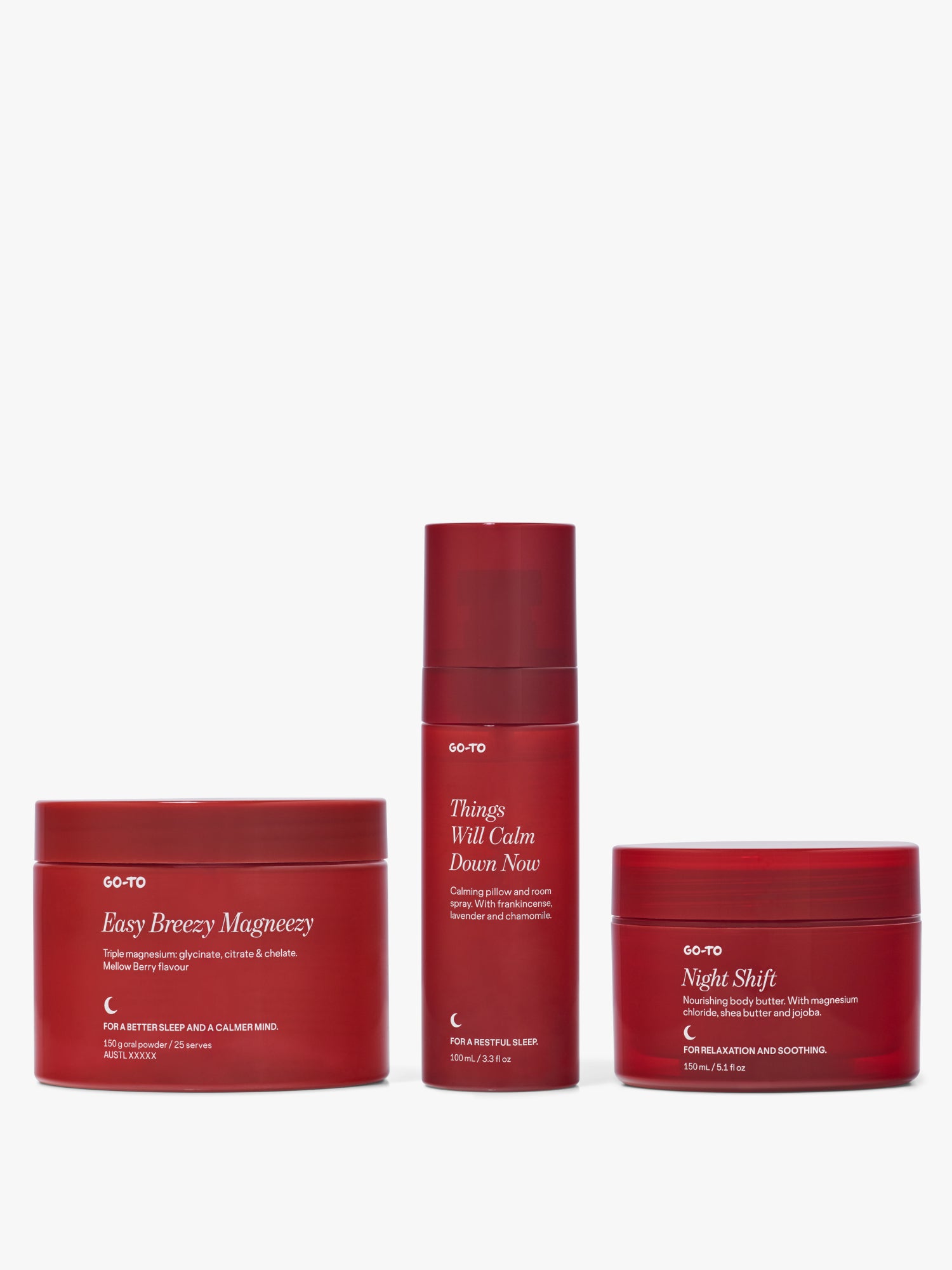
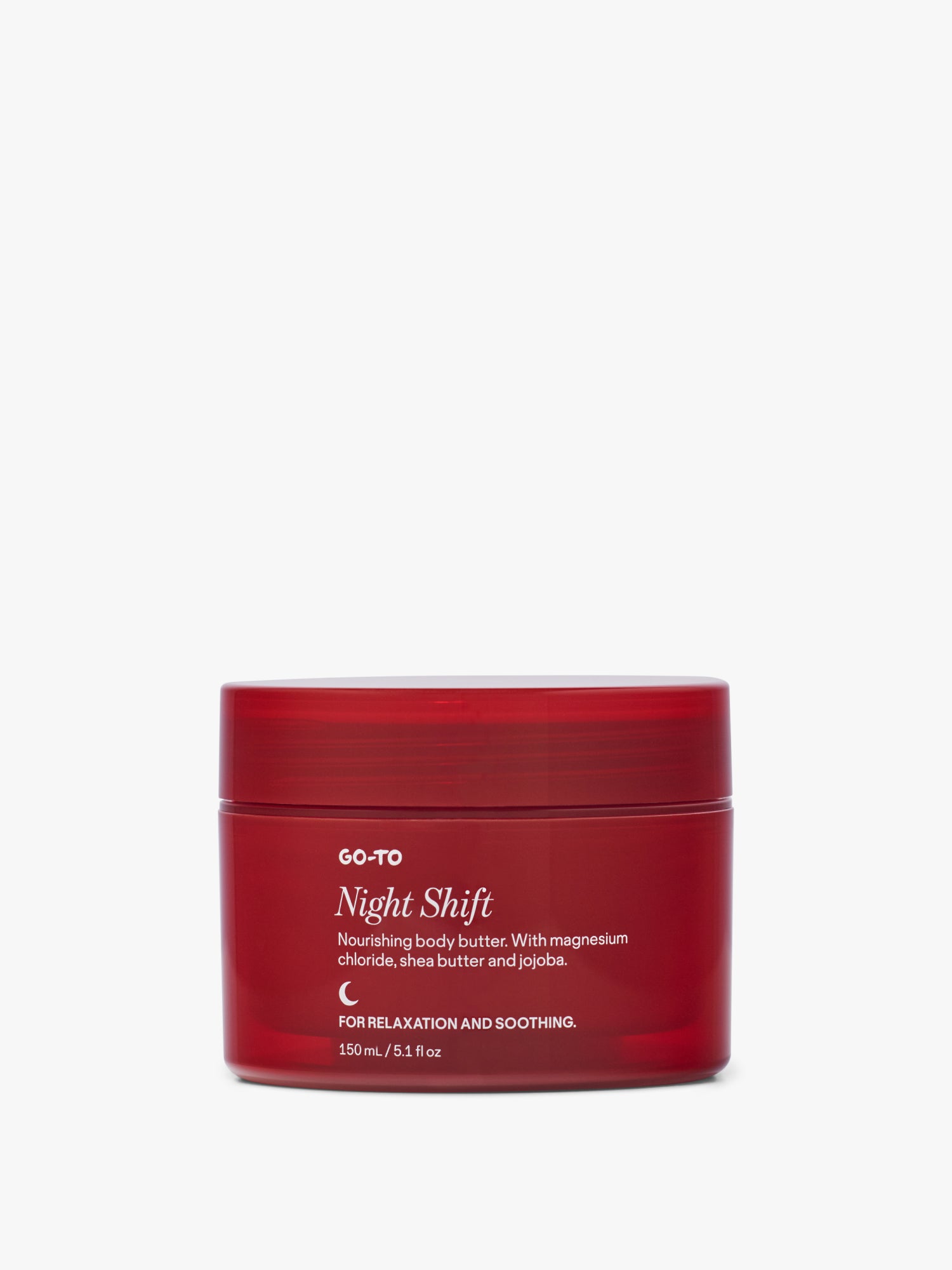
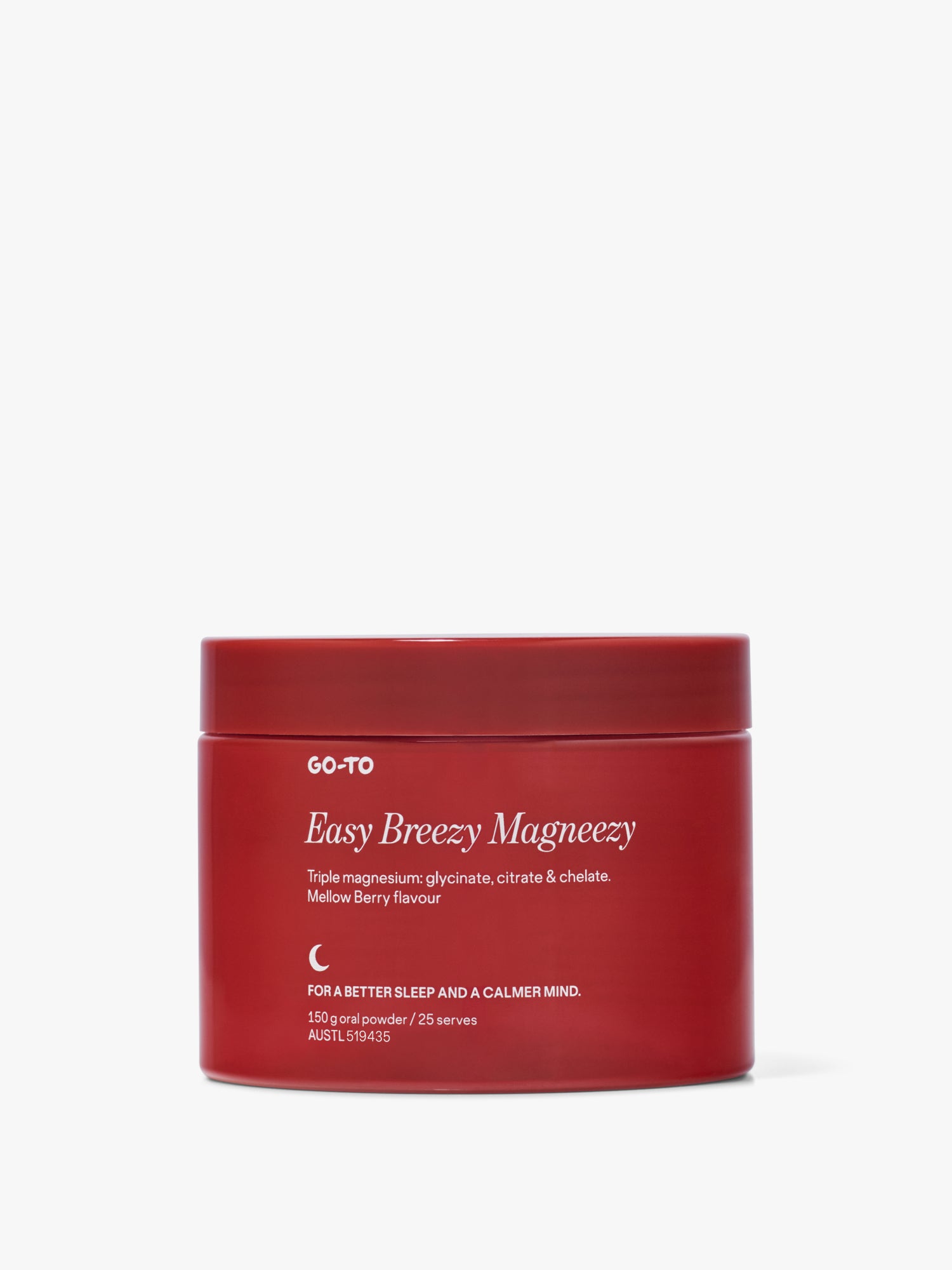
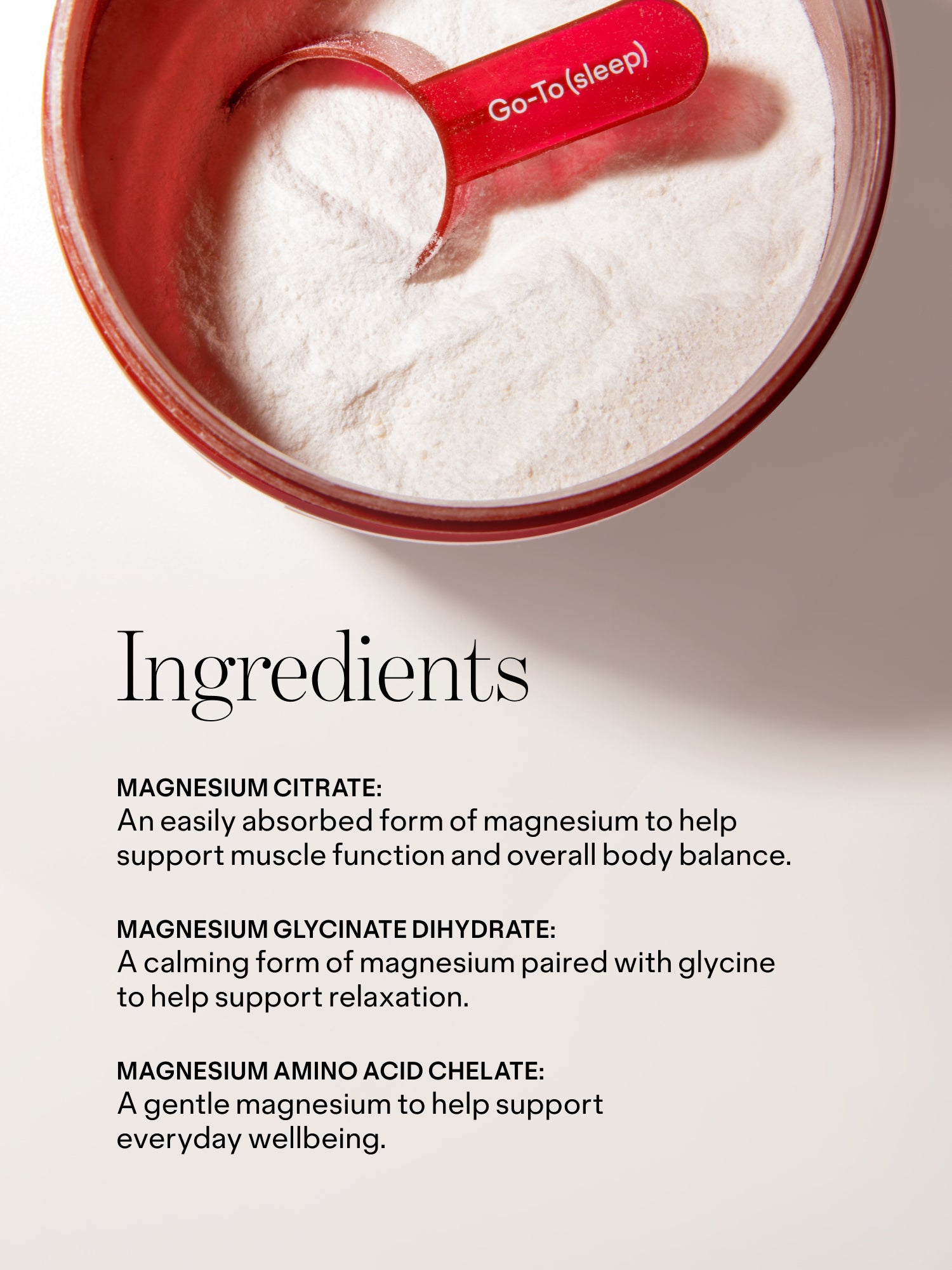
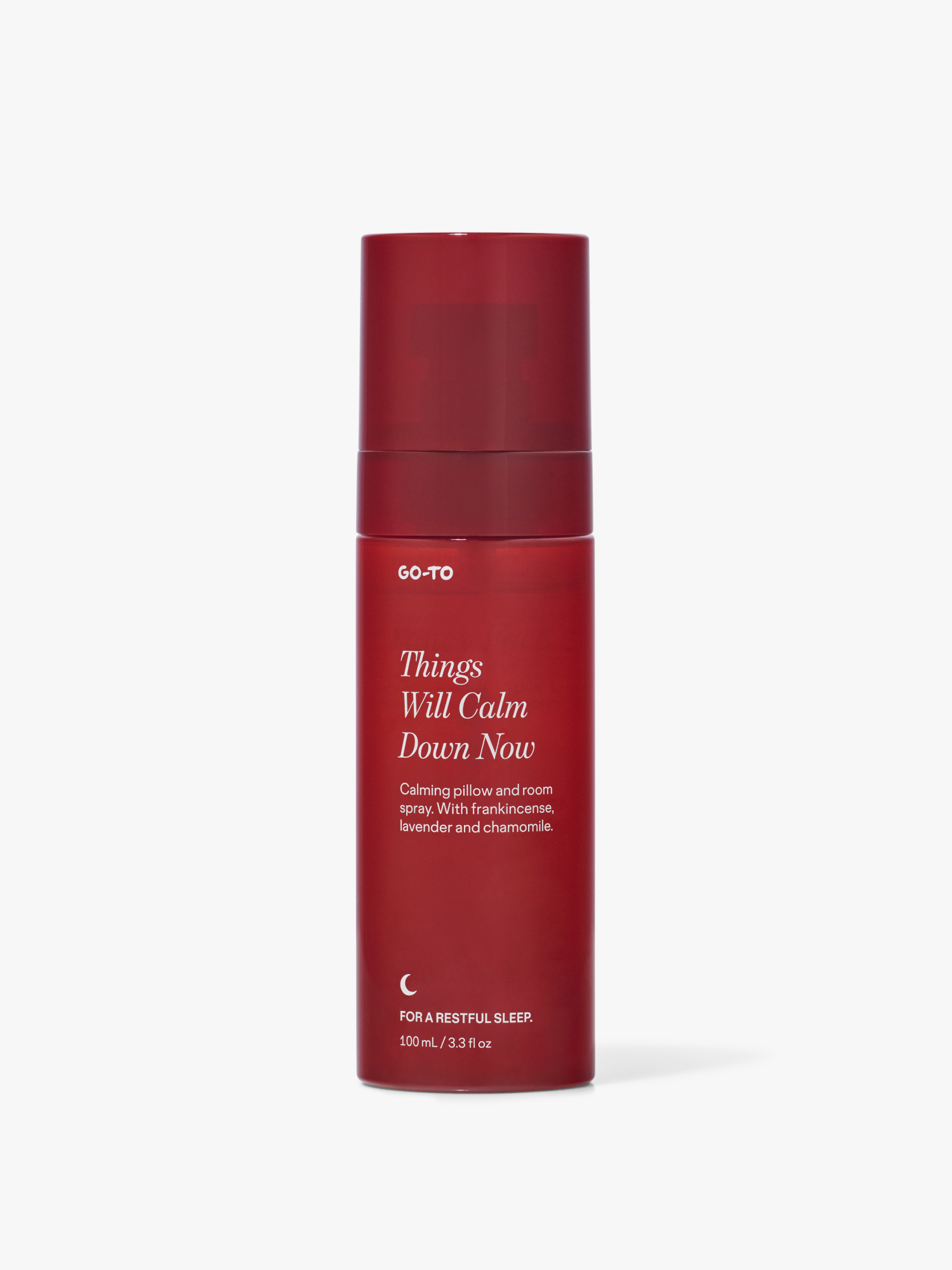
Tools that help you fall asleep faster or sleep more deeply—quiet, low-stimulus surroundings, calming scents, caffeine timing, and magnesium—can support your skin indirectly by helping you score some quality rest.
Your skin works around the clock—so support it day and night. Don’t sleep on it!
ALWAYS READ THE LABEL AND FOLLOW THE DIRECTIONS FOR USE
Comments